






Gisela Paredes-Leguizamón
In 2012, Colombia’s National Natural Parks, with the support of the National Planning Department (DNP) and the Colombian Ministry of Foreign Affairs, within the framework of integrating and positioning protected areas in Colombia’s general territorial planning policy, began exploring how to structure, politically, technically, and operationally, a collaborative border territorial planning scheme.
This scheme, respecting national sovereignty, would promote joint work between territorial entities and neighbouring protected areas in a border region, recognising that nature (rivers, ecosystems, species) transcends political and administrative boundaries.
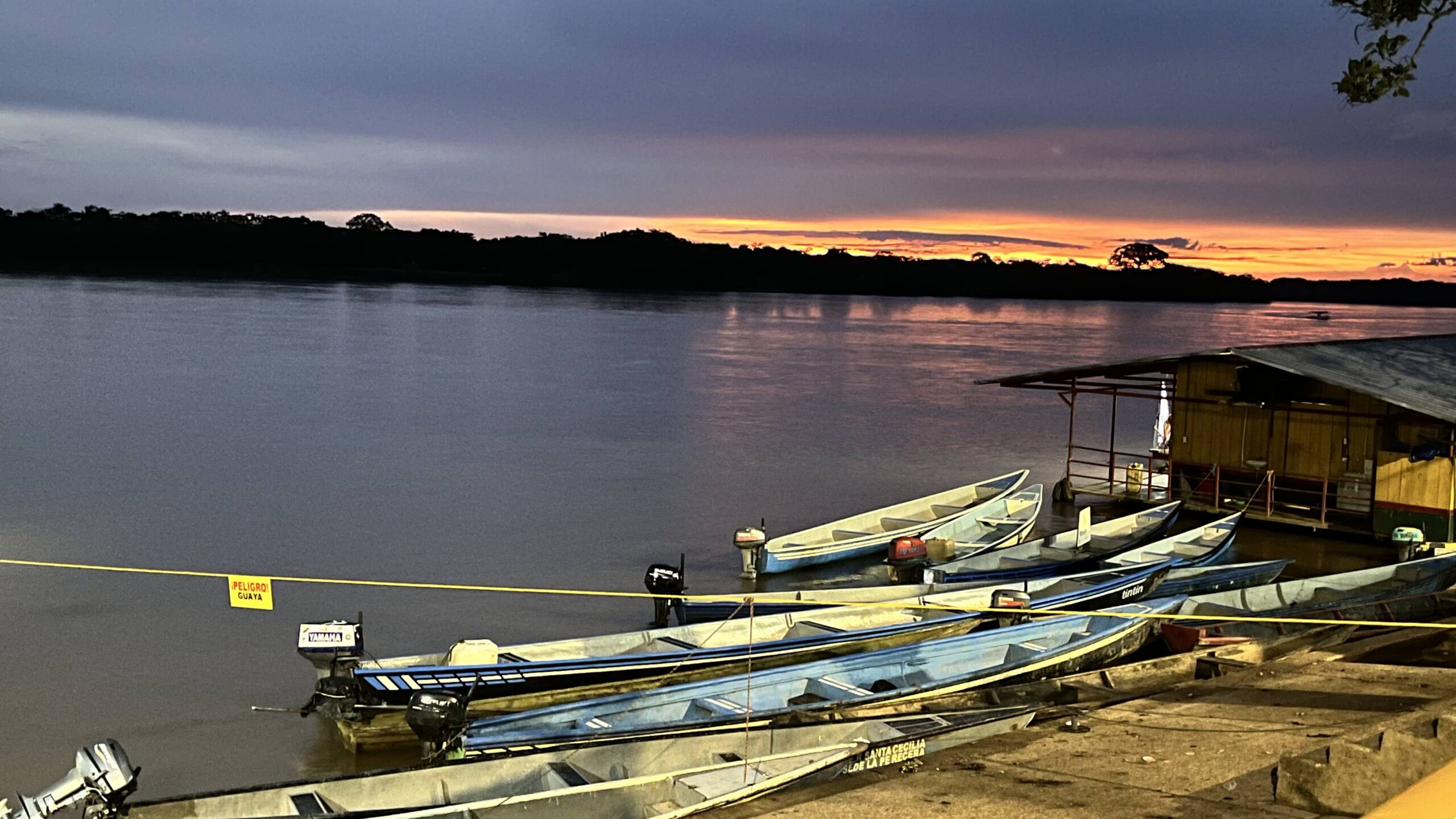
Thus, acknowledging and respecting the Trinational Program—an initiative born from the heads of the protected areas of La Paya National Park (Colombia), Cuyabeno Wildlife Reserve (Ecuador), and Güeppi Sekime National Park (Peru), which evolved into a memorandum of understanding between the governments—this initiative was undertaken.
In this communication project, you will meet and hear diverse voices sharing their experiences and recommendations on this process of border territorial association and its impact on public policy, as well as the challenges and recommendations it has presented.
You have access to videos and two reports from the systematisation workshops.
Welcome to “Nature and Culture Unite Us.”
Please click on the images below to watch the project videos
Video 1: The Origin of the Study of Border Territorial Associations
Video 2: Archaeological Heritage in Territorial Planning
Video 3: The Border – Vision of Local Leaders
Video: 4 national voices on border public policies
Video 5: Transboundary Conservation in the World
Video 6: A perspective from the protected area headquarters on border associations
Video 7: Reflections on the formulation of border public policies
Video 8: The Border Unites Us
Video 1: The Origin of the Study of Border Territorial Associations.
How, where, and for what purpose was a pilot case of border territorial association structured? What is its importance in the context of territorial planning and protected area management? Gisela Paredes Leguizamon, specialised professional in territorial planning; Arley Morales and Enrique Hernandez, park rangers of La Paya National Natural Park, jointly discuss this.
Video 2: Archaeological Heritage in Territorial Planning.
Everardo Herrera from the Colombian Institute of Anthropology and History (ICANH) discusses the importance of including archaeological heritage in territorial planning due to its cultural significance from a differential perspective.
Video 3: The Border – Vision of Local Leaders.
Miguel Angel Rubio, former mayor (2012-2015) of Leguizamo, Putumayo, and Javier Ramirez, delegate of the Maniel Clavero District Mayor’s Office, discuss the importance of joint work on the border for development and conservation.
Video: 4 national voices on border public policies.
Higo Silvera from the Ministry of the Interior, Alejandra Londoño and Cesar Sandino, advisors to the Ministry of Foreign Affairs from 2012 to 2018, and Diana Patricia Mendoza from the National Planning Department discuss the importance of integrating border management into public policies for development, land-use planning, climate change, and risk management and conservation through cooperation.
Video 5: Transboundary Conservation in the World.
Stephania Petrosillo, coordinator of the transboundary conservation group of the International Union for Conservation of Nature (IUCN), shares global progress in biodiversity conservation in protected areas across several continents.
Video 6: A perspective from the protected area headquarters on border associations.
Jeferson Rojas Nieto, head of La Paya National Natural Park for 11 years, analyses the importance of border territorial associations in the context of territorial planning for the implementation of park management plans.
Video 7: Reflections on the formulation of border public policies.
Alejandra Londoño and Cesar Sandino analyse the times, space, achievements, opportunities, and challenges of structuring and implementing a border territorial association.
Video 8: The Border Unites Us.
Miguel Angel Rubio, former mayor of Leguizamo, Putumayo, Colombia, describes the territory and analyses the importance of management to achieve sustainable development in accordance with the culture, the well-being of the population, and the conservation of biodiversity.
Please click on the images below to read the project report
The bilingual (Spanish and English) publication “Territorios en diálogo” (Territories in Dialogue) is a summary of the proceedings of the workshop held in November 2025 in Bogotá, Colombia, where experts in border conservation and public policy formulation shared experiences and analysed the need for territorial associations to achieve sustainable and inclusive territorial development.
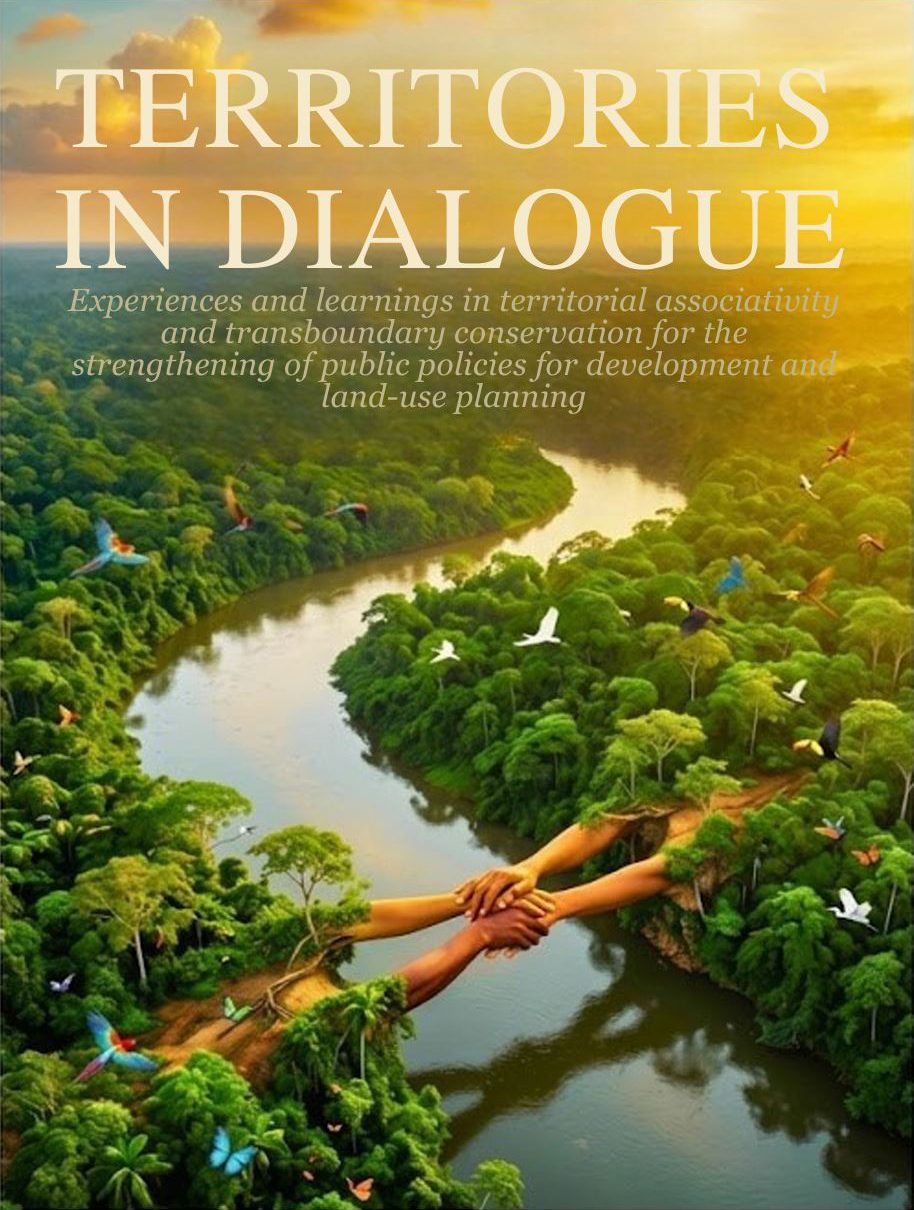
English
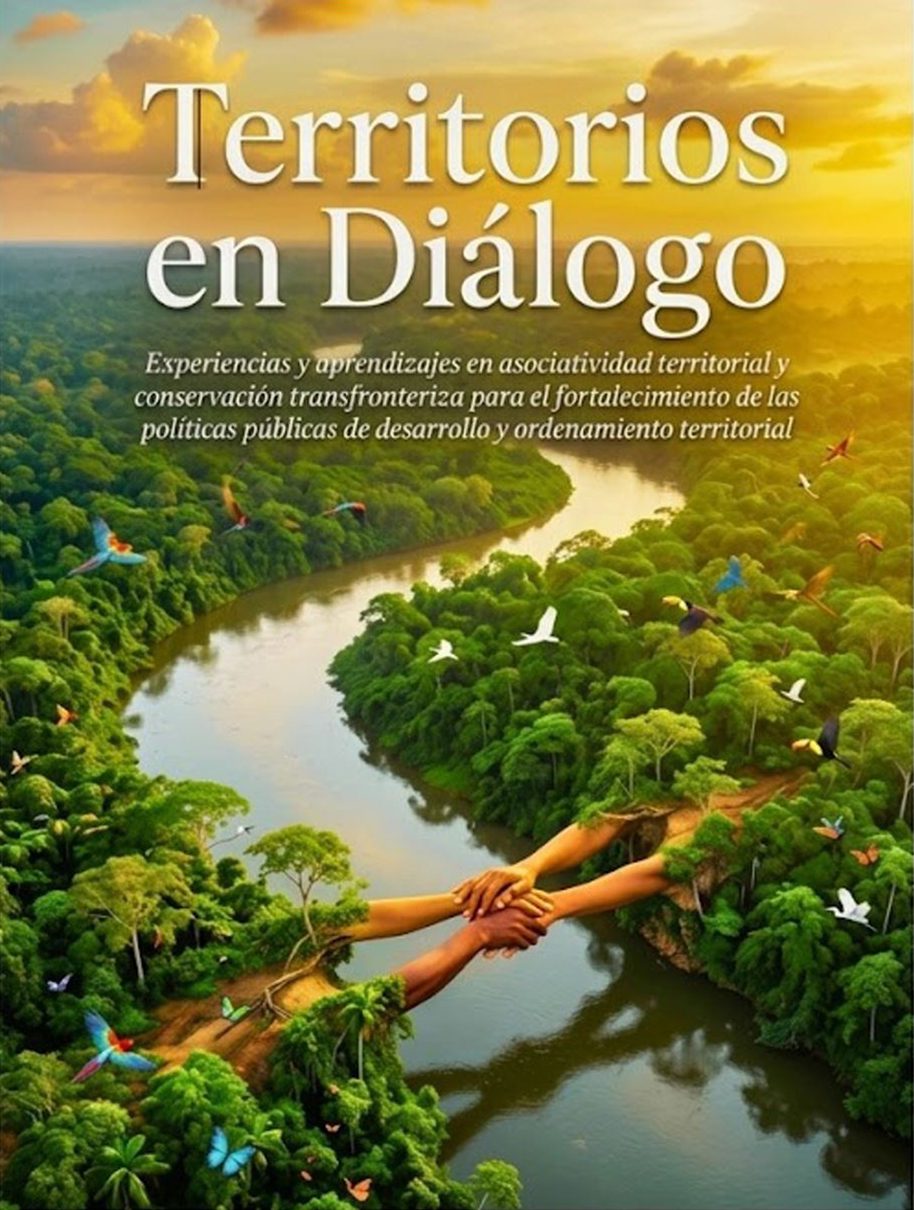
Español
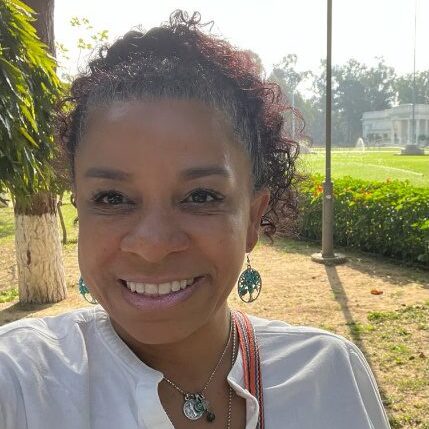
Gisela Paredes– Lead Partner

Allan Valverde

Jeferson Rojas

Ximena Borre Torres
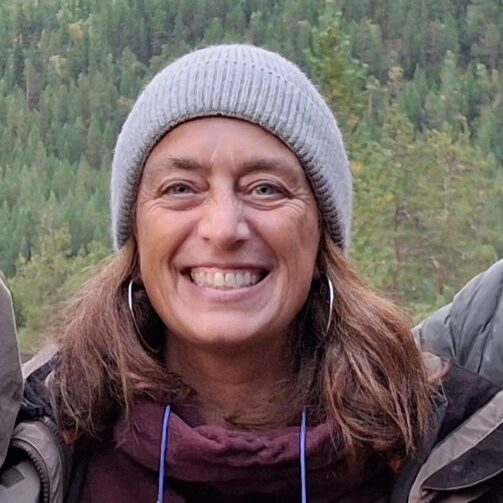
Stefania Petrosillo

Michell Castro