Department of Archaeology and Heritage Studies, University of Dar es Salaam, Tanzania







Department of Archaeology and Heritage Studies, University of Dar es Salaam, Tanzania
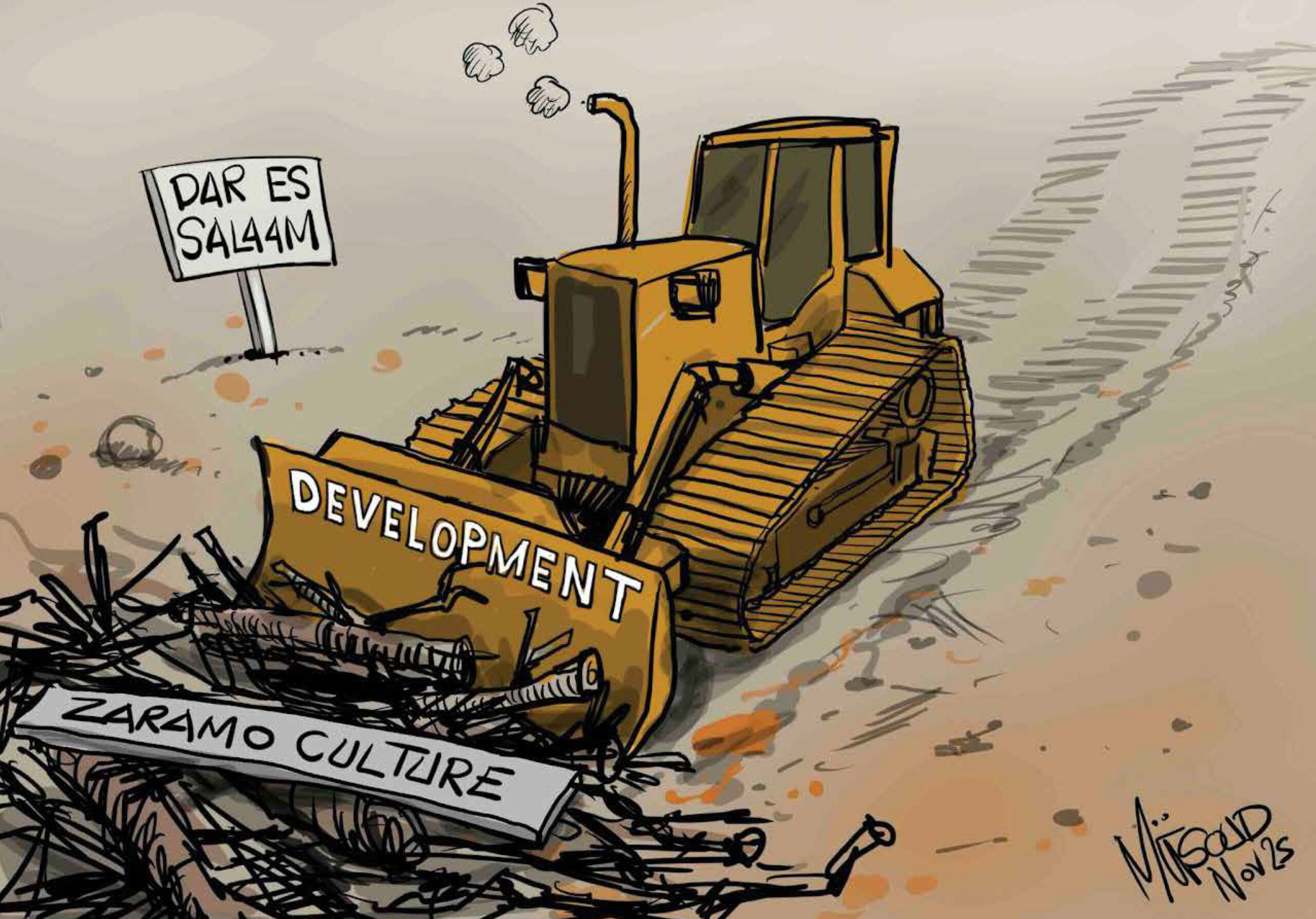
Illustration by Ali Masoud
The Zaramo people—Dar es Salaam’s original inhabitants—hold traditional ecological knowledge vital for managing the city’s unique challenges, including environmental degradation, food insecurity, and public health concerns. However, this knowledge is increasingly marginalised as informal settlements sprawl into ecologically sensitive wetlands and coastal zones, disrupting ecosystems that once protected the city.
Through community-led exhibitions, intergenerational storytelling, and participatory workshops, Zaramo’s indigenous knowledge was activated and shared with a broader urban audience.
The project serves as a model for culturally responsive urban planning, bridging indigenous knowledge systems with contemporary urban development challenges by fostering collaborations between Zaramo cultural bearers, youth groups, educators, artists, and local government authorities, ensuring that the processes and outcomes are inclusive, resilient, and sustainable.
In the final exhibition which can be found at the Village Museum, Dar es Salaam visitors to the exhibition will find murals, photographic panels and bilingual textual displays that highlight key aspects of Zaramo indigenous knowledge—such as fishing techniques using traditional nets, ecological relationships with mangrove forests, and the cultivation of vegetables, herbs, the use of granaries, and the historical geographical markers (rivers, valleys and flood plains) as a living part of the urban landscape.
Please click here for the bilingual (Kiswahili and English)project website.
Please click here to access the Urban Growth, Cultural Loss Magazine.
Please click on the image below to watch the story behind the exhibition.
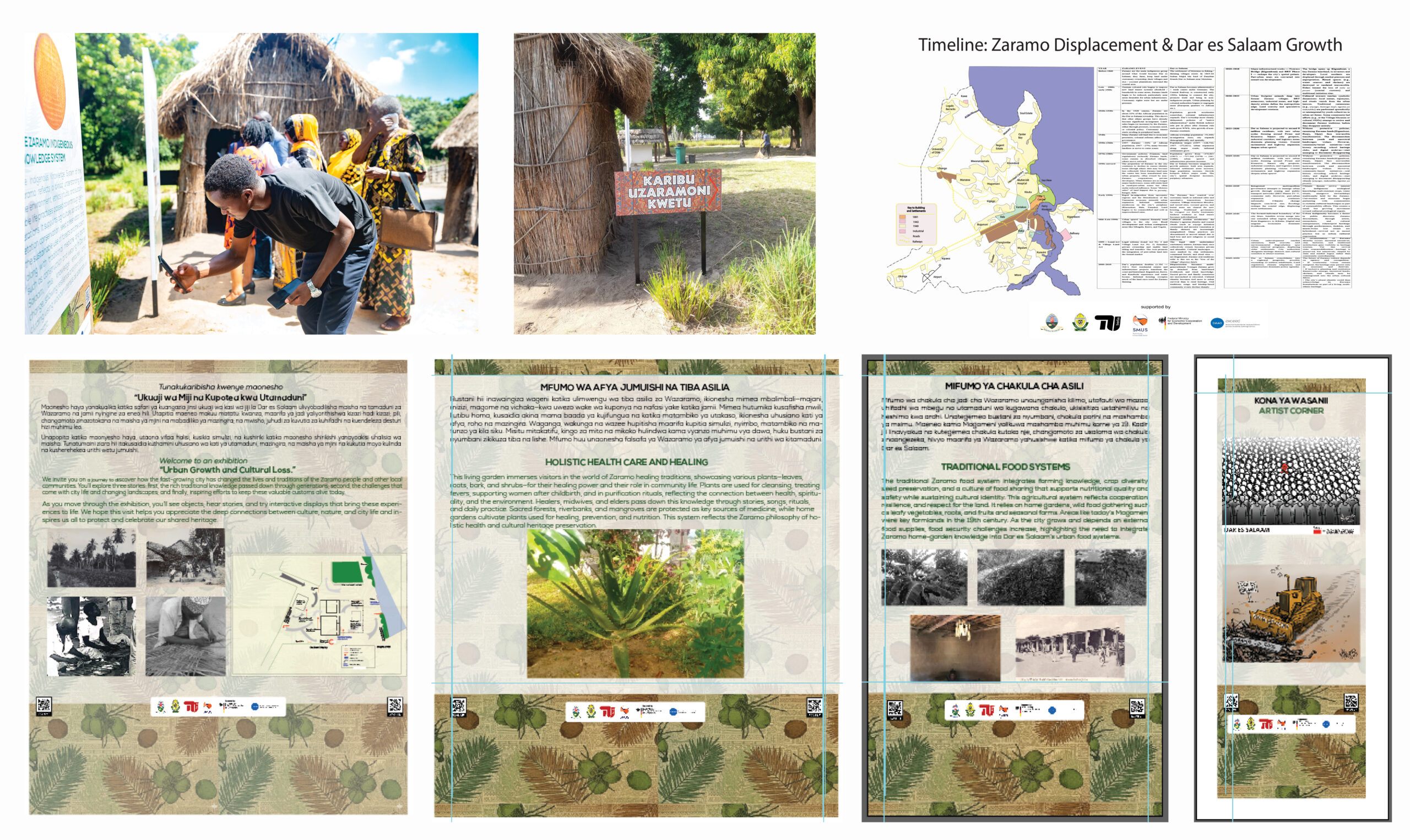
Nancy Rushohora and Sechelela Magoire
Please click on the images below to watch the Zaramo cultural bearers’ videos.
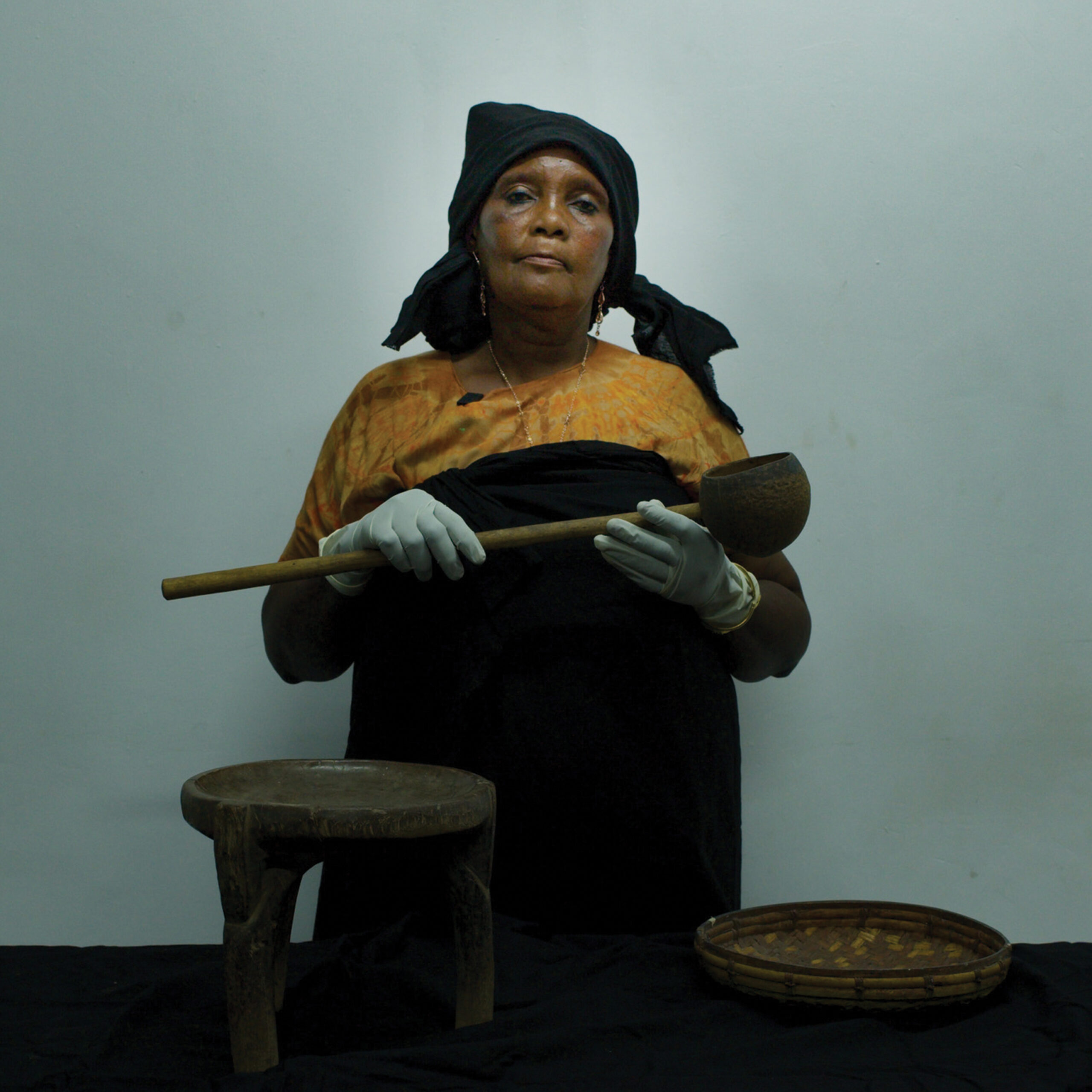
Nicholas Mwakatobe
Stahabu Abas Mrisho
“My opinion is that we should teach our children Zaramo traditions and customs as we did in the past. The government does not allow you to keep your child at home and teach them. In the past, children stayed at home and were taught traditions and customs from a young age.
Nowadays, if you do not send your child to school, you are taken to court, imprisoned, or face some sort of punishment. That is why children nowadays lack old-fashioned morals. I would advise that even though they are in school, children should have a little time to learn these customs so that we can continue to build families that are aware of Zaramo customs and traditions”.
Watch Stahabu Abas Mrisho and Mgeni Ramadhani discussing Zaramo traditions and customs.
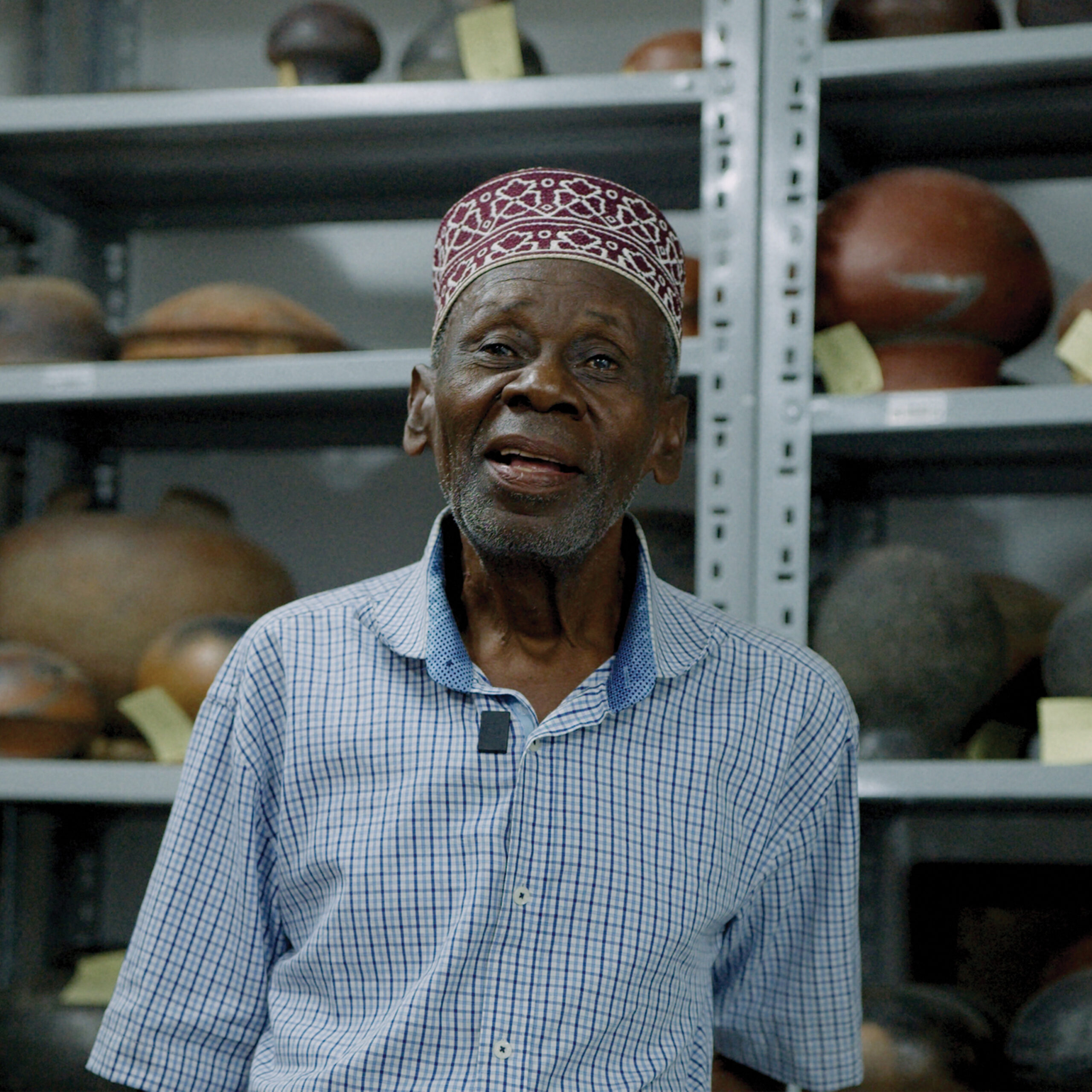
Nicholas Mwakatobe
Mgeni Ramadhani
“Back in the days of radio Tanzania, I used to see those drums being played, and they would invite groups of people from around the country. They would play those drums and showcase them. It existed, but now you see the media does not explain our traditional drums at all. It has dried out. We should increase the airtime given for drum playing and reduce the airtime given for modern music”.
Watch Mgeni Ramadhani and Stahabu Abas Mrisho discussing Zaramo traditions and customs.
Please click on the image below to watch the Co-creation video.
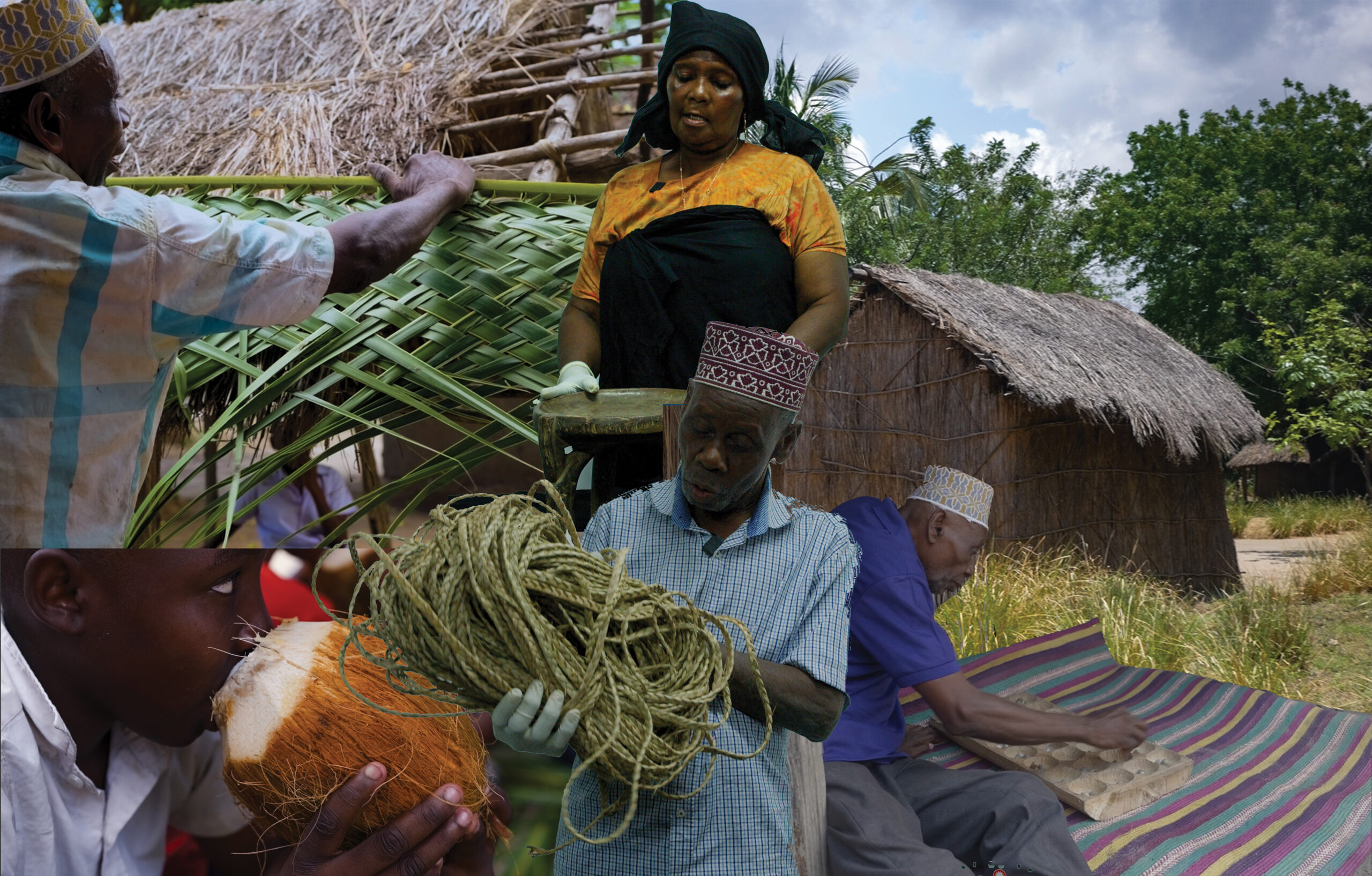
Compiled by Nikita Konwar Gogoi with photographs from Nicholas Mwakatobe
Please click on the image below to watch a Zaramo elder discuss the Traditional Food Systems.
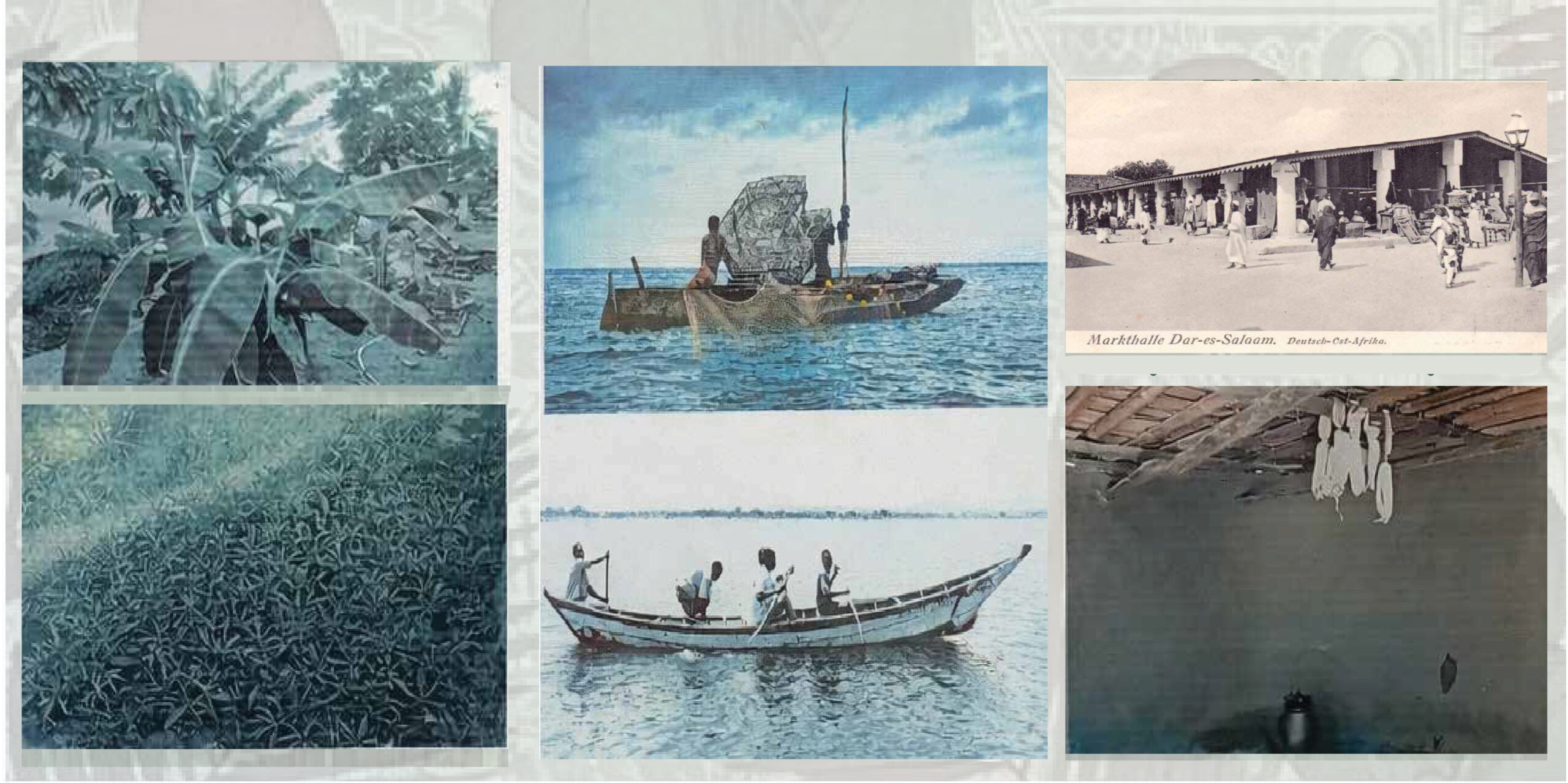
Nancy Rushohora and Sechelela Magoire
Please click here to hear more from Mgeni Ramadhani as he discusses Zaramo Traditional Food Systems.
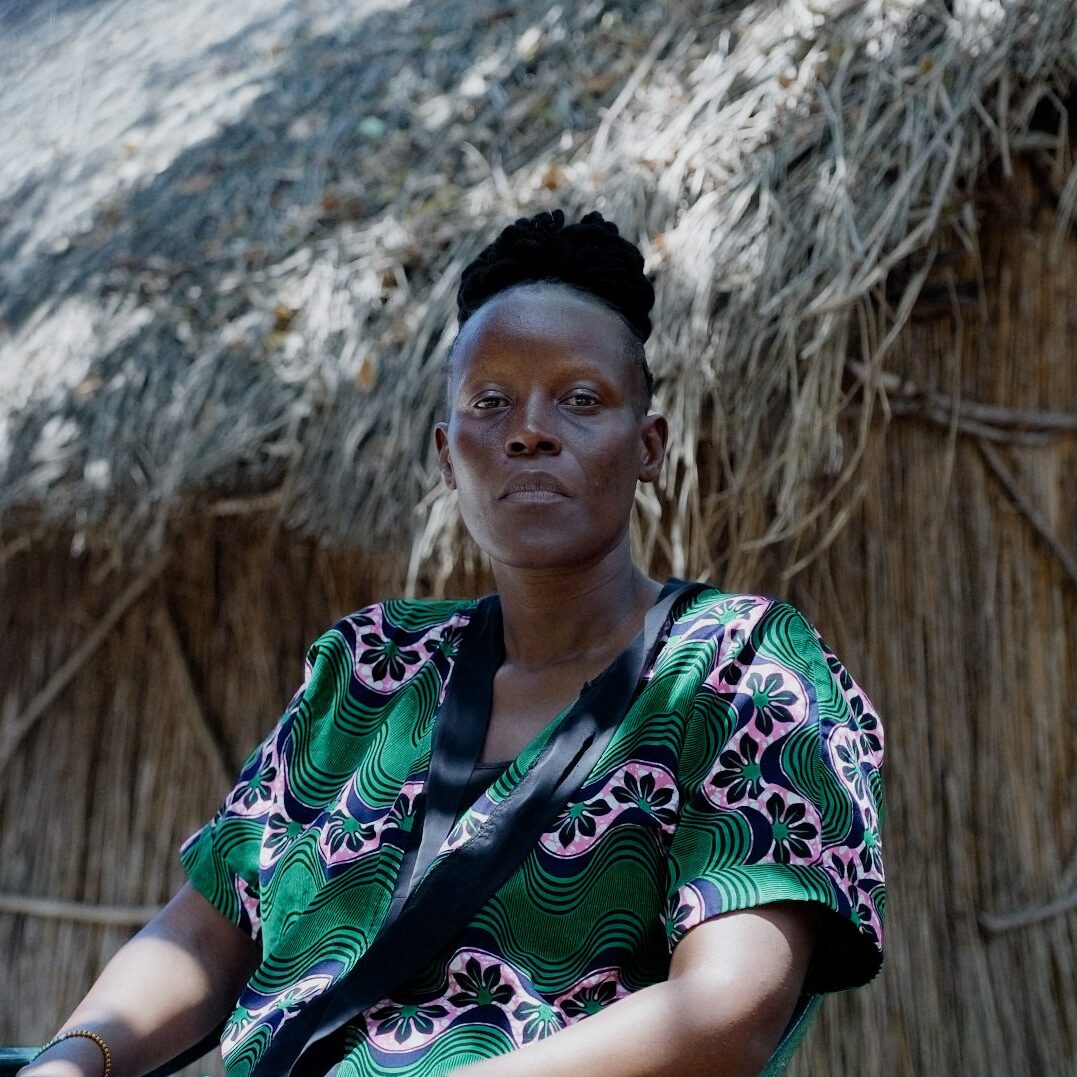
Nancy Rushohora - Lead Partner
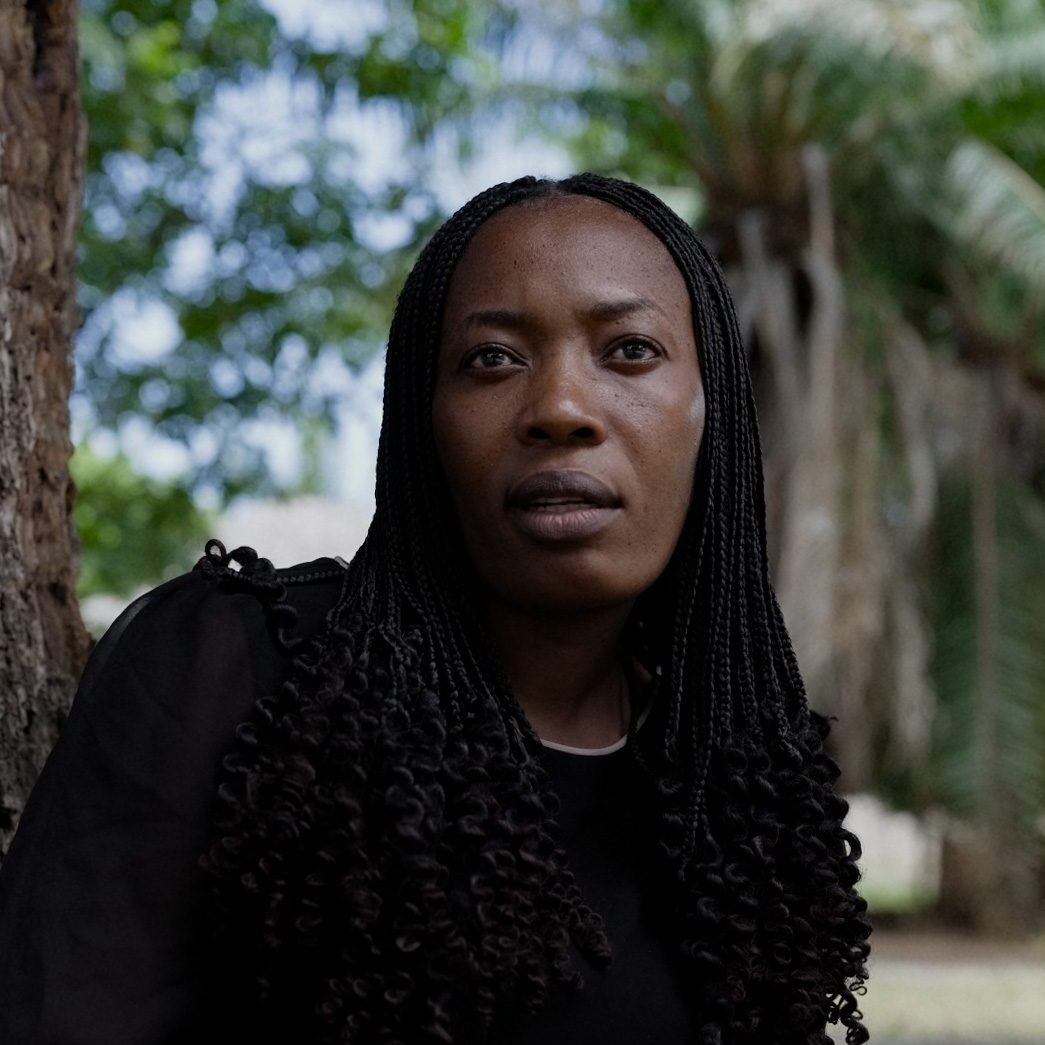
Sechelela Magoire