Faculty of Arts and Design, Universidad Autónoma de México (UNAM), Mexico







Faculty of Arts and Design, Universidad Autónoma de México (UNAM), Mexico

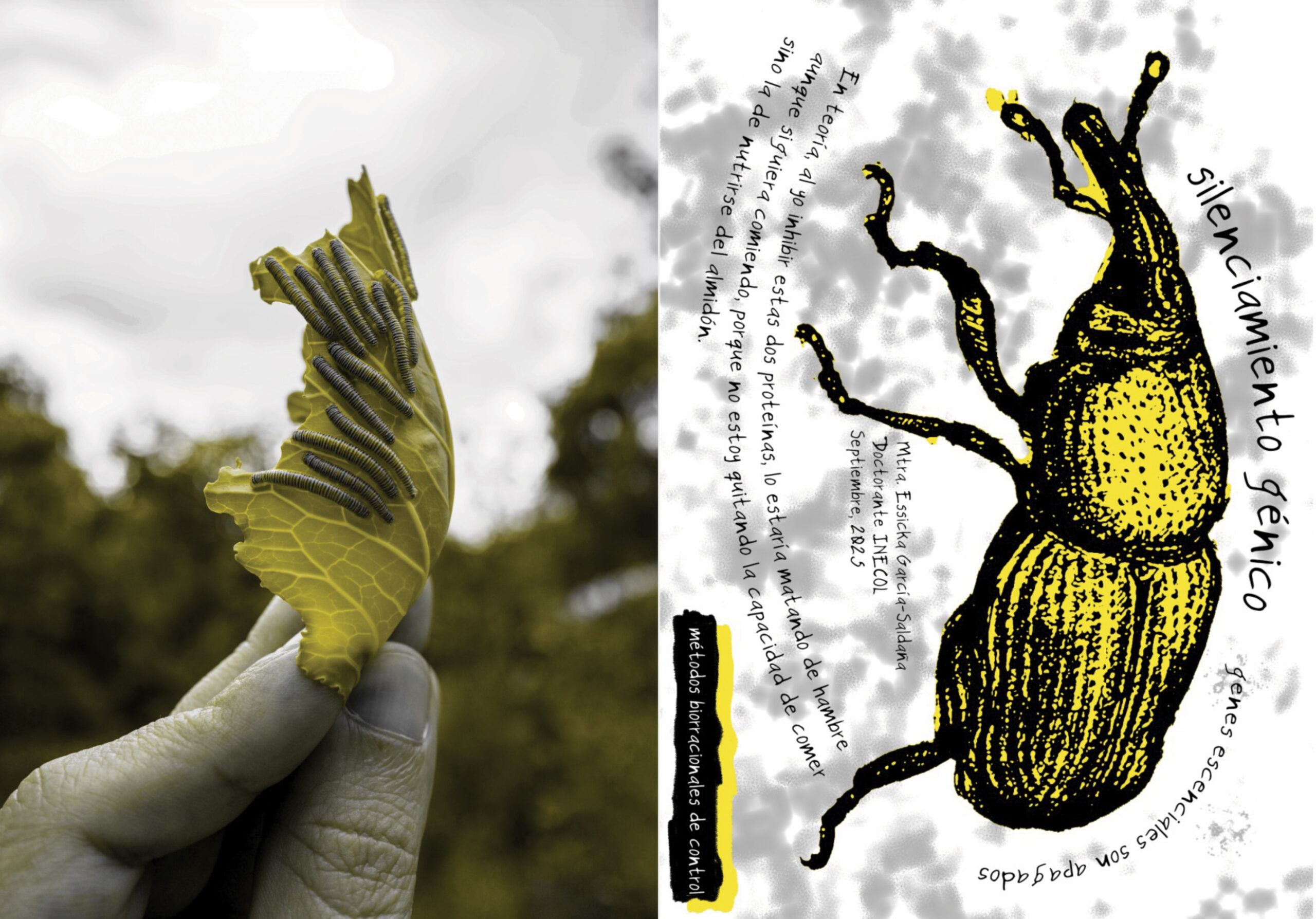
Illustration from Jose Alejandro Sanchez
About the project
Here come the pests! is an interdisciplinary and site-specific project developed in landscapes shaped by monoculture: the Brunca Region in Costa Rica, and Chiltoyac and Xalapa in Mexico. The project brings together artistic and academic teams from Mexico and Costa Rica, creating a space where art, critical thinking, and territorial knowledge intersect. The project approaches the idea of “pests” from multiple socio-environmental perspectives. Through field visits in both countries, the team observed productive landscapes, listened to local experiences, and questioned the categories commonly used to describe what intrudes, disturbs, or is considered a threat. Rather than understanding pests as a fixed category, the team approaches them as a polysemic and relational concept, shaped by ecological, political, and bodily dimensions.
Pests, monoculture, and slow violence
Pests are closely connected to monoculture: an industrial model that domesticates and transforms territories on a massive scale. These transformations unfold across time and space through what Rob Nixon calls slow violence. The impacts of monoculture are visible in forms of production, organisation, and consumption, often shaped by urban needs and by the treatment of food as a commodity. In this context, pests can be understood not simply as natural threats, but as effects of techno-scientific practices and territorial configurations.
Fieldwork and collaboration
The project was developed through collaboration between two working teams: one based at the University of Veracruz and the Faculty of Arts and Design at the National Autonomous University of Mexico, and another based at the Faculty of Arts of the University of Costa Rica, including the School of Philology, Linguistics and Literature, and the School of Philosophy. Over four months, the teams worked in dialogue with key actors in both countries. In Costa Rica, they visited Longo Mai, Santa Marta de Buenos Aires, and the La Felicidad and La Palma farms on the Osa Peninsula. In Mexico, they visited a coffee plantation in Chiltoyac owned by Senén Gómez, the National Institute of Ecology, and the IARA agroecological project led by researcher Juliana Merçon.
The zine
The zine is the result of these journeys, debates, dialogues, and collective creative exercises. It was made possible through the cross-pollination of knowledge between disciplines and through the contributions of the people the team encountered during the project. The publication seeks to move beyond reductionist views that frame pests only as threats or sources of harm. Instead, it opens a space for more complex and entangled associations.
The zine is divided into three sections:
The zine also includes an appendix with a glossary, a table of pests mentioned during interviews in Costa Rica and Mexico, and a recommended bibliography for readers who wish to explore the topic further.
Language note
As an international network, SMUS encourages network partners to share research and findings in their own languages. In this spirit, the zine is published in Spanish. The lead researcher has highlighted several key pages for readers who would like guidance through the publication.
To guide readers through the Spanish-language zine, the lead researcher has highlighted the following pages as particularly relevant:
If you have any questions on the this project please do not hesitate to contact the lead partner:
MA Diana Barquero-Pérez. (Costa Rica-Mexico)
Please click here for the Instagram post
¡Ahí viene la plaga! / Here comes the pests! Research Team
Creator: Andrea Guízar Jurado
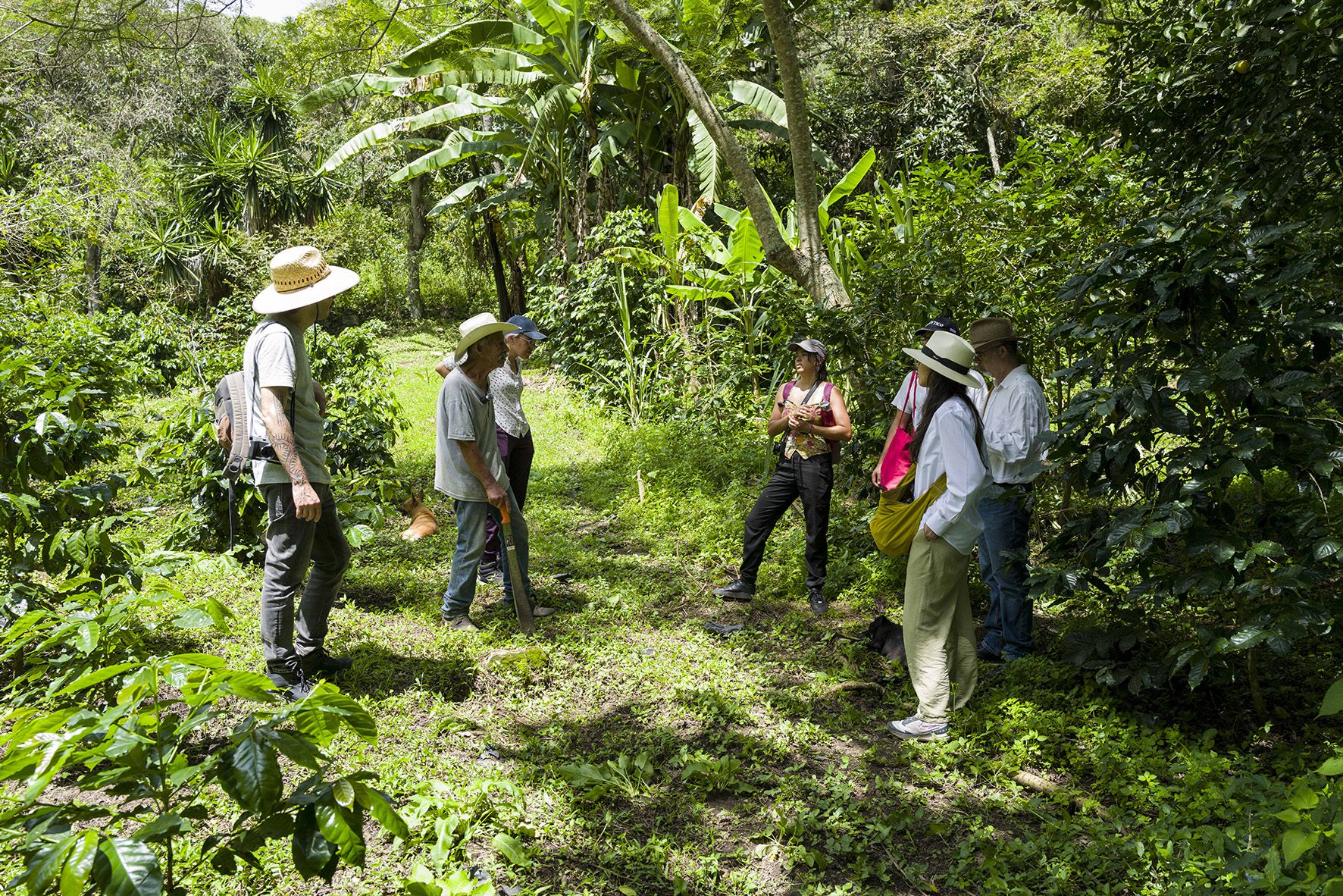
Ilana Boltvinik. Xalapa, México.
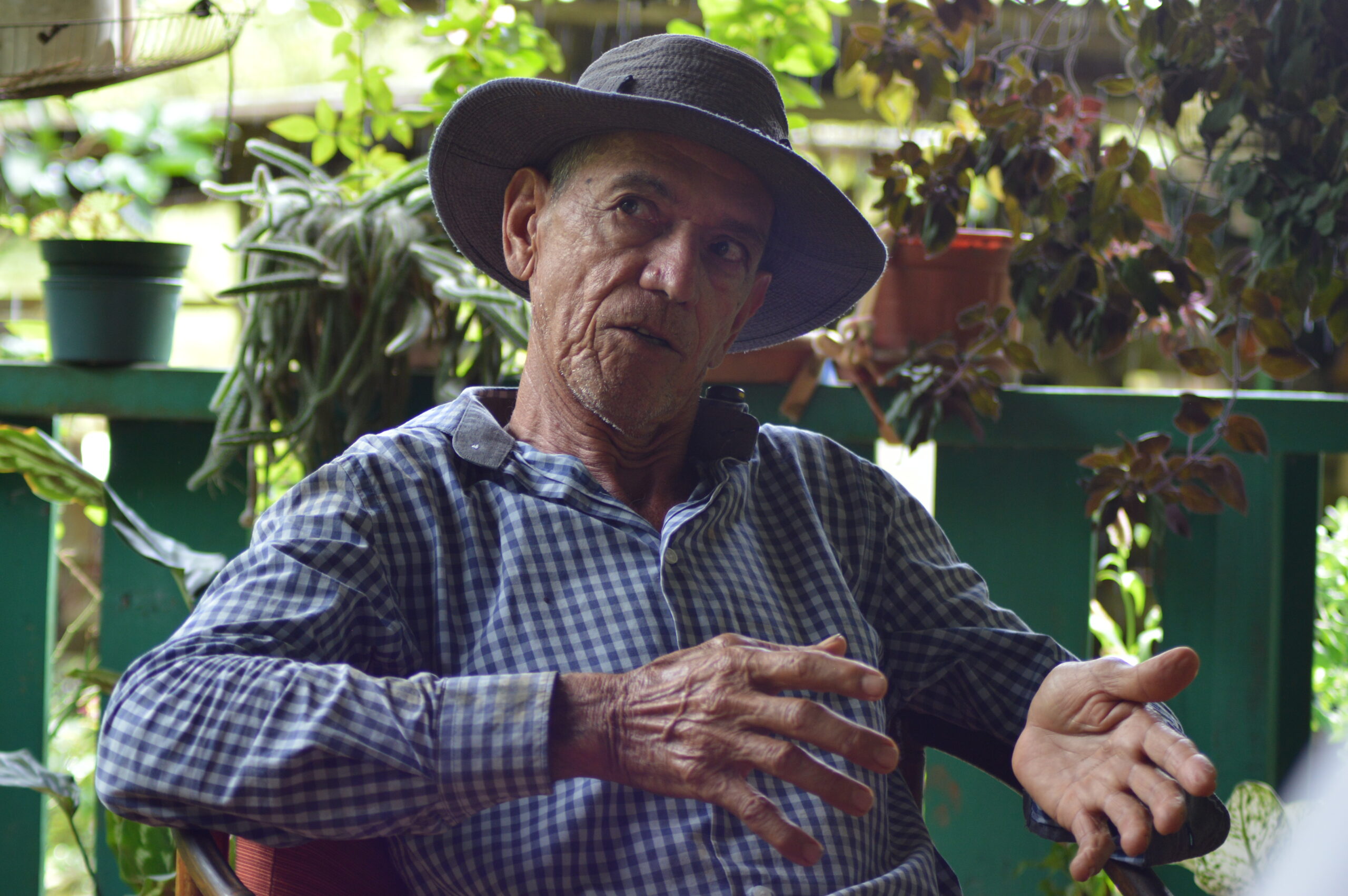
Memorias Vivas team (Universidad de Costa Rica). Finca la Felicidad. La Palma, Península de Osa

Diana Barquero Perez-Lead partner

Adrián Vergara Heidke

Sebastián Coto Murillo
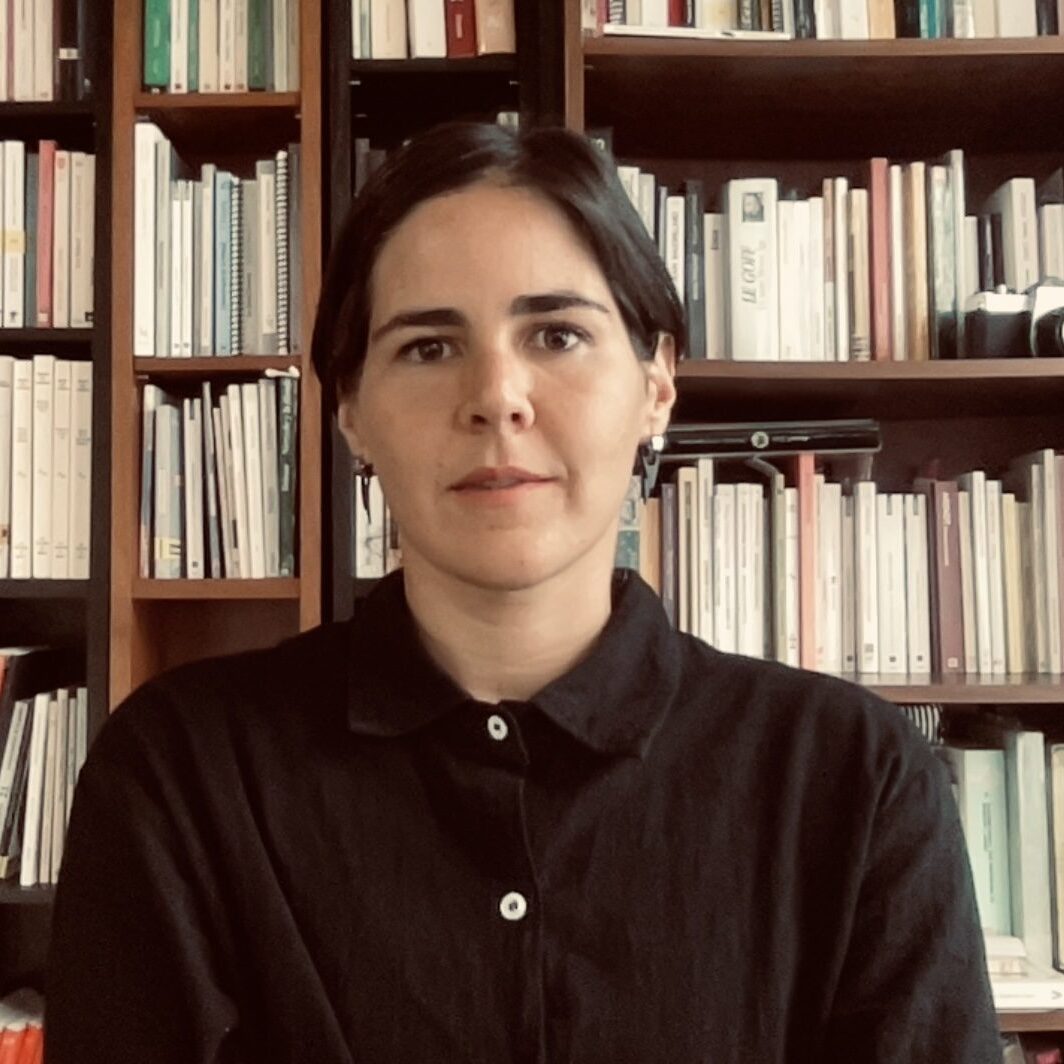
Rocio Zamora Sauma
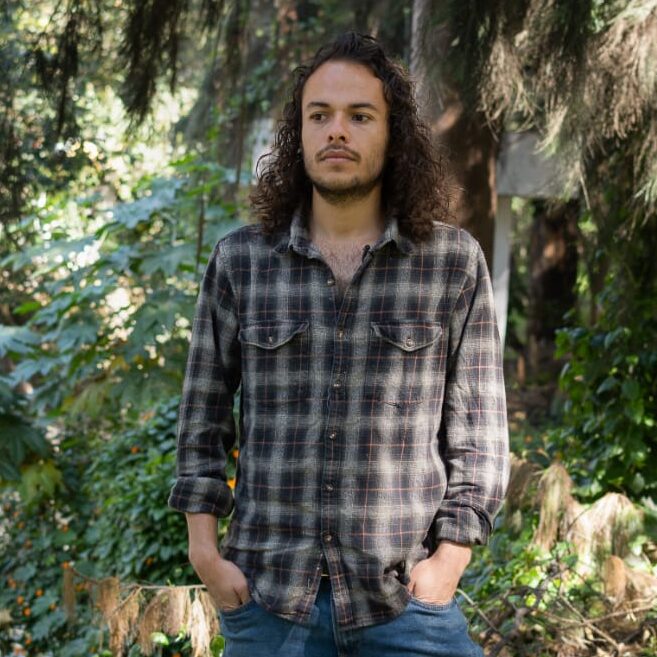
Alessandro Valerio Zamora

José alejandro Sanchez

Andrea Guízar Jurado