






The University of Dar es Salaam
The Zaramo people—Dar es Salaam’s (Tanzania) original inhabitants—hold traditional ecological knowledge vital for managing the city’s unique challenges, including environmental degradation, food insecurity, and public health concerns. However, this knowledge is increasingly marginalised as informal settlements sprawl into ecologically sensitive wetlands and coastal zones, disrupting ecosystems that once protected the city.
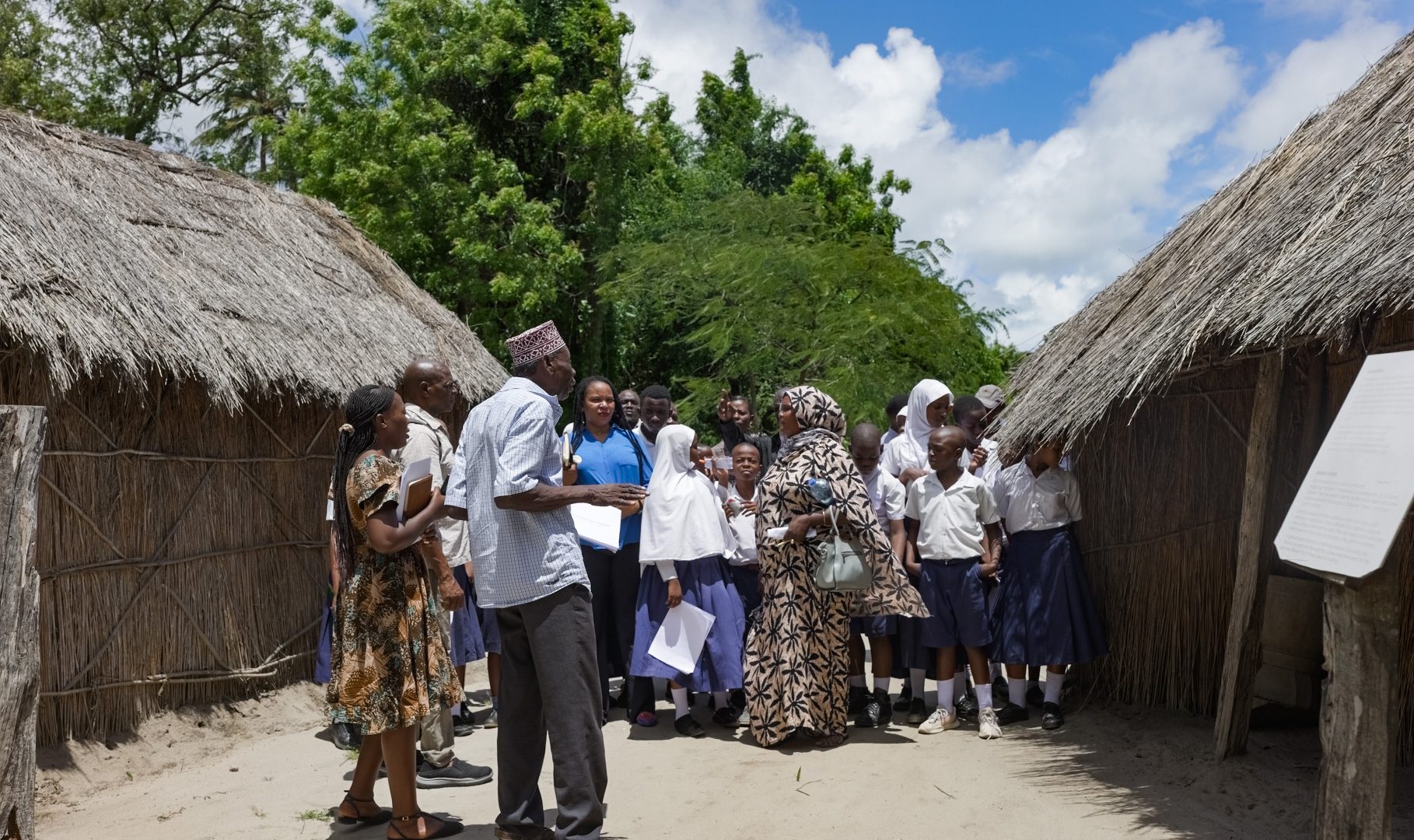
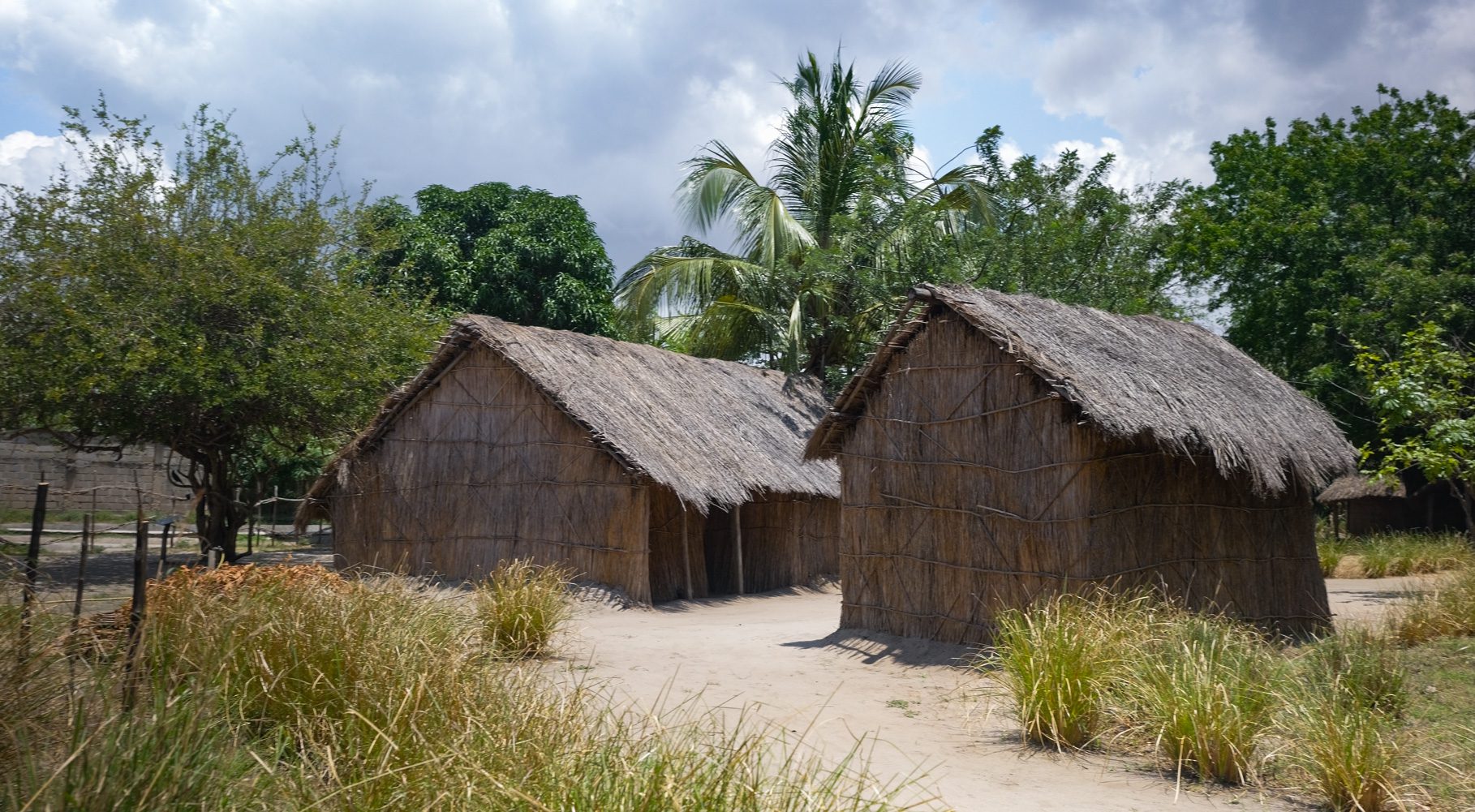
Much of Dar es Salaam’s urban life—including housing, waste management, and health care— operates through informal systems that remain largely invisible to formal planning frameworks. This project seeks to bridge that gap by using the Village Museum, designed to safeguard rural architecture, as a platform for science communication and public education. Urban Growth, Cultural Loss aims to reposition indigenous knowledge as a key asset in urban development discourse—one that is deeply rooted in place, identity, and communities’ lived experiences.
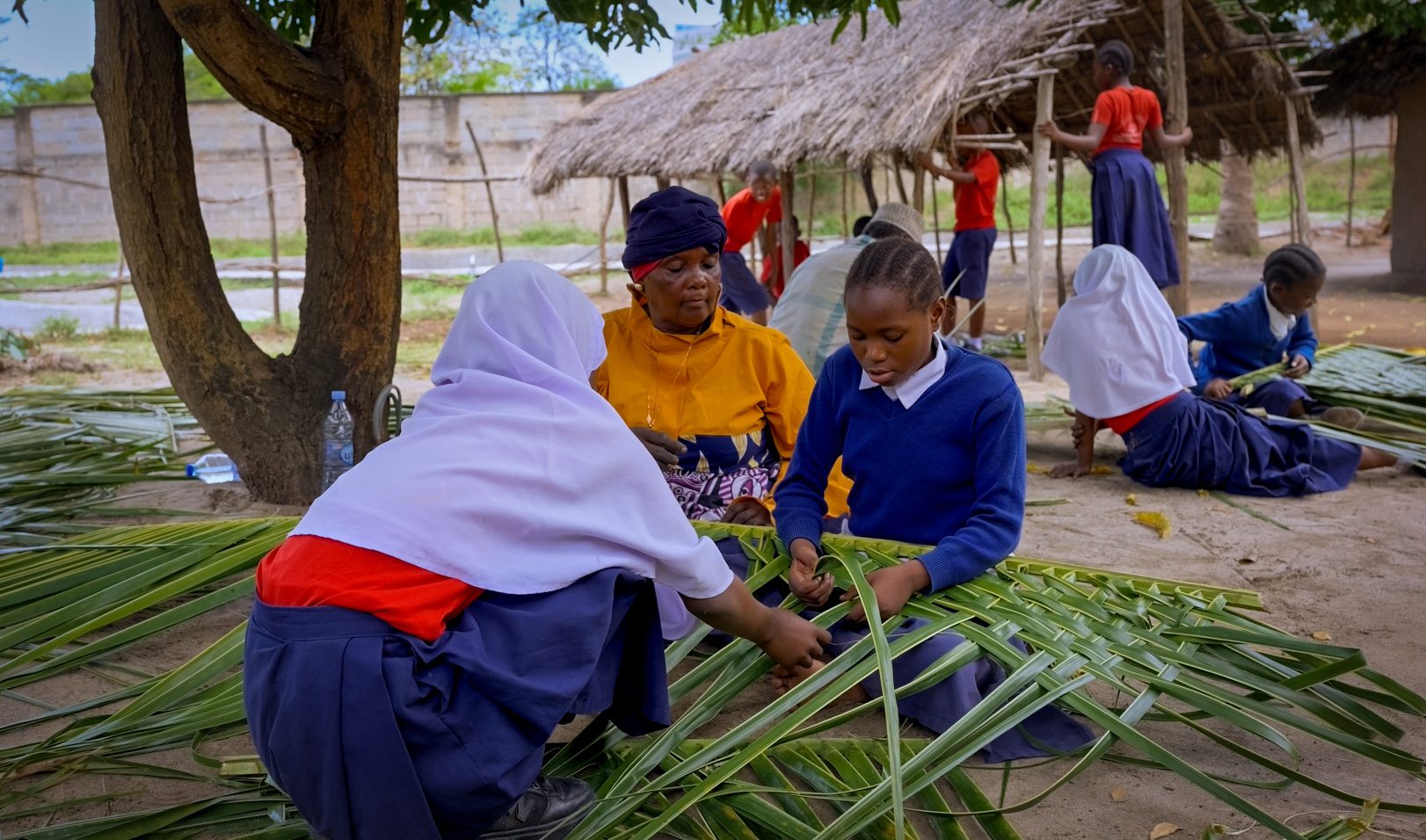
Through community-led exhibitions, intergenerational storytelling, and participatory workshops, Zaramo’s indigenous knowledge will be revitalised and shared with a broader urban audience. This science communication initiative will also serve as a model for culturally responsive urban planning, bridging indigenous knowledge systems with contemporary urban development challenges. The project will actively foster collaborations between Zaramo cultural bearers, youth groups, educators, artists, and local government authorities, ensuring that the processes and outcomes are inclusive, resilient, and sustainable. The Exhibits will feature a range of interpretive materials, including murals, photographic panels, bilingual textual displays, in/outdoor signage strategically placed in the Zaramo museum space at the village museum. These materials will highlight key aspects of Zaramo indigenous knowledge—such as fishing techniques using traditional nets, ecological relationships with mangrove forests, and the cultivation of vegetables, herbs, the use of granaries, and the historical geographical markers (rivers, valleys and flood plains) as a living part of the urban landscape
The University of Dar es Salaam
The University of Dar es Salaam
The University of Dar es Salaam
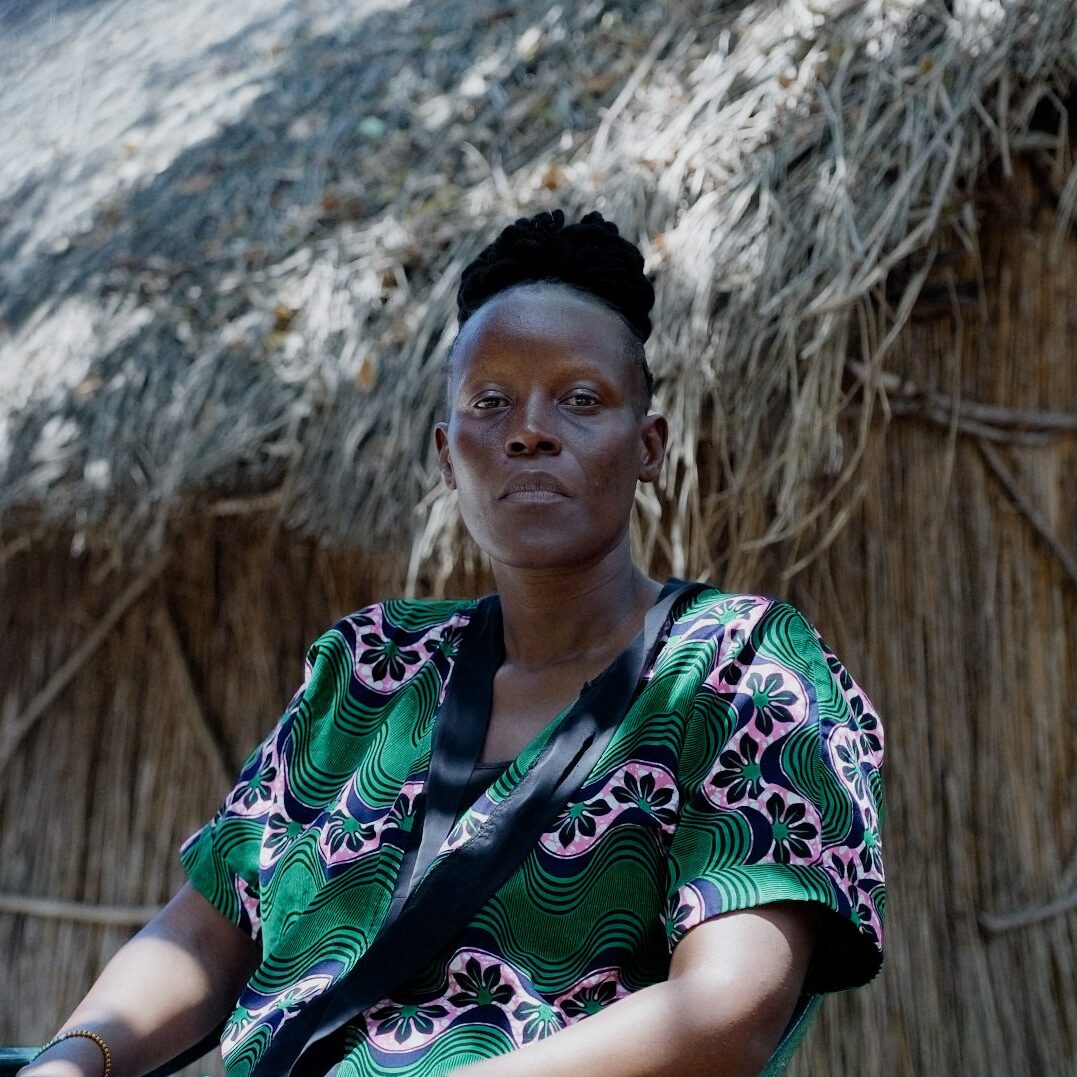
Nancy Rushohora - Lead Partner
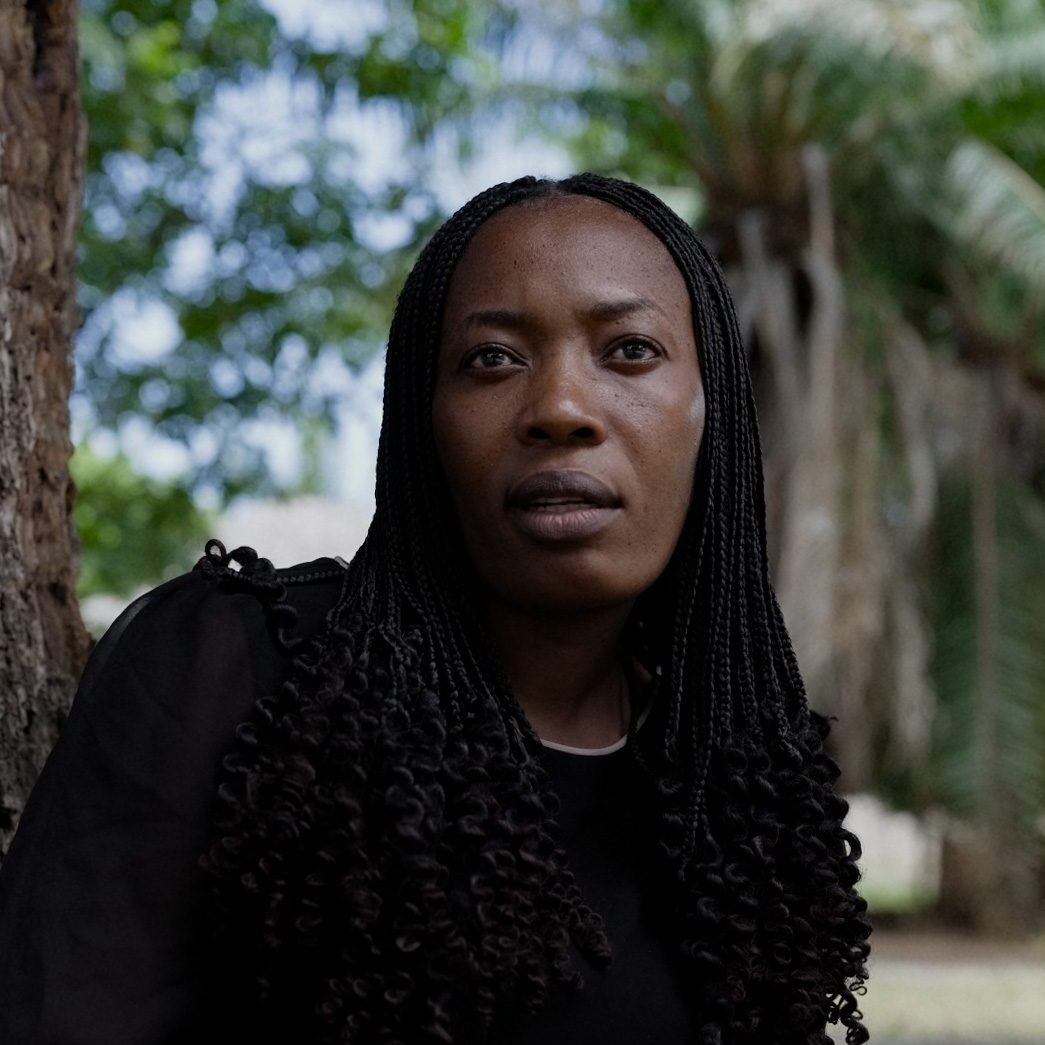
Sechelela Magoire